
Fishy or Burning Smell in Your House and When It Is Electrical
TopRatedElectricians.co.uk · 7 October 2026
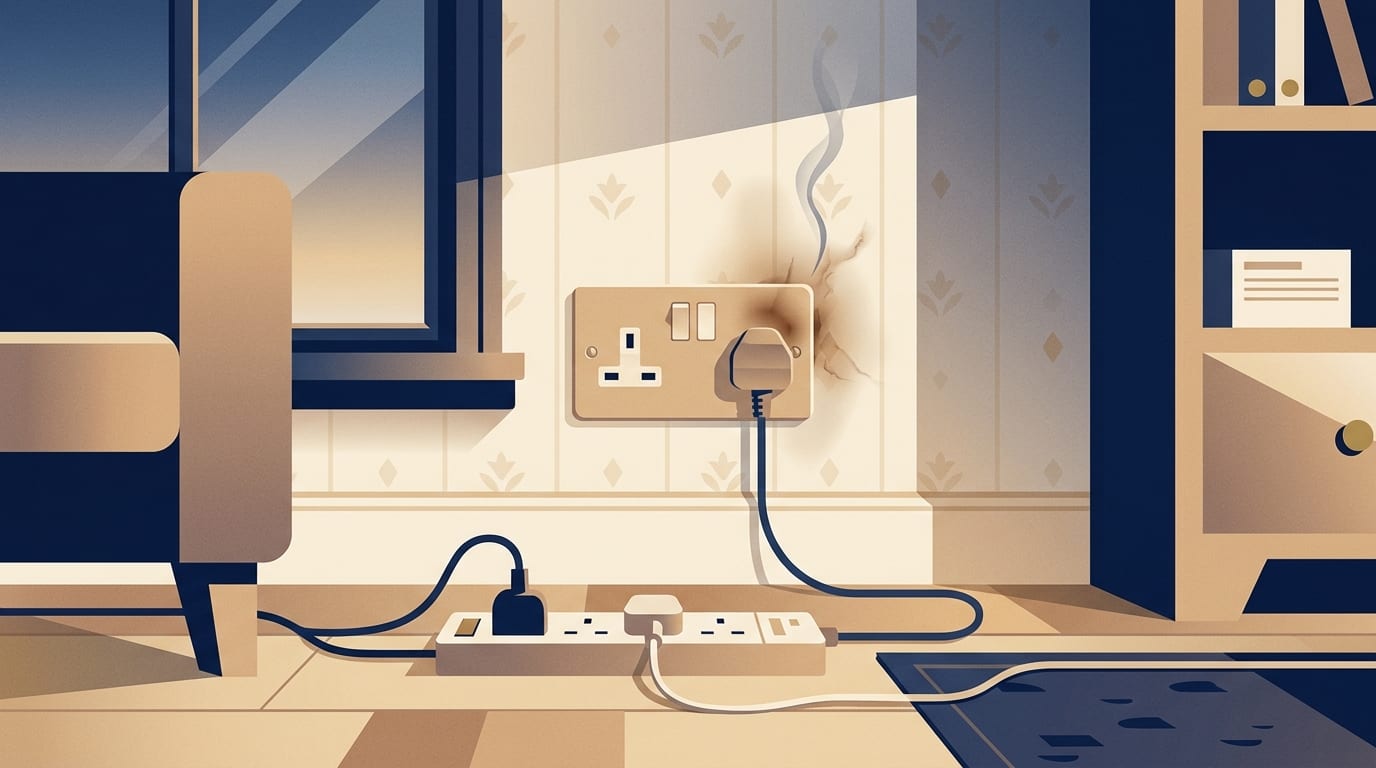
A sudden fishy smell in the house or a burning plastic smell can come from sockets, plugs, switches, light fittings or appliances overheating. Treat this as a clear warning sign and check your rooms immediately. If there is smoke or fire, get everyone out and call 999.
Why electrical faults can smell of fish
The hard plastic used to make plug sockets, light switches and light fittings contains chemicals that release a strong odour when they get too hot. This heat usually comes from a loose electrical connection or an overloaded circuit forcing too much current through the wiring.
According to Electrical Safety First, burning smells or a smell similar to that of fish could be due to socket outlets and other electrical accessories or equipment overheating and burning. An unpleasant smell similar to fish can often be associated with the burning smell of sockets or plastic and should not be overlooked.
You should look out for discoloration of your sockets, especially if accompanied by a slight fishy smell. If your socket outlets are turning yellow they are likely to be overheating. Tenants spotting these signs should report the issue to their landlord immediately.
Other smells that point to an electrical problem
People often describe the same underlying fault in different ways. You might notice a fishy smell, a smell like an electrical fire, or a strong smell of burning plastic. Any of these can mean an electrical part is getting too hot.
An electrical burning smell often starts faint and gets stronger as the plastic continues to heat up. What does an electrical fire smell like? It is usually a sharp, acrid scent that catches in the back of your throat, completely different from burning wood or cooking smoke.
West Sussex Fire and Rescue Service advises you to be aware if there is a smell of hot plastic or burning near an appliance or socket. You should check appliances if fuses blow or circuit-breakers trip for no obvious reason.
What to do straight away
Safety comes first when dealing with overheating electrics. If a particular plug or appliance smells or is hot, switch it off and unplug it if that is safe. Do not touch the plug if it is scorching hot, sparking or melting.
If the smell seems to come from a socket, switch, light fitting or the consumer unit (also called a fuse box or fuse board), switch off at the main switch if it is safe to reach. Turning off the main switch at the consumer unit will cut the electricity supply to your whole home.
Once the power is off, call a registered electrician to find the fault. You can read advice on when you need an emergency electrician to help you decide if you need someone out of hours.
Never remove covers, open a consumer unit or touch any internal wiring yourself. Electricity is dangerous, and only a qualified professional should investigate bare wires or internal electrical components.
Is it gas rather than electrics?
A smell of gas is completely different from the fishy smell of an overheating electrical fitting, but both are dangerous. If you smell gas or think you may have a gas leak, you must act quickly and follow official safety advice.
Cornwall Fire and Rescue Service says you should call the National Gas Emergency Service on 0800 111 999. This number is free and open at any time, but you should call the fire and rescue service on 999 in an emergency.
Do not turn lights on or off and avoid using other electrical switches and appliances, because a small spark could ignite the gas. Turn off the gas at the meter unless it is in a cellar or basement. Extinguish all naked flames, do not smoke or strike matches, and open windows and doors to let air in.
Finding where the smell is coming from
If you are sure the smell is not gas, you can try to narrow down the source of the electrical burning smell. Walk round your home with the lights already on and check each room carefully. Look closely at all your electrical points.
Check for discolouration, scorch marks or melted plastic around sockets, plugs, extension leads, chargers, light fittings and appliances. Do this by looking only, and keep your hands away from damaged equipment.
A fishy smell can have ordinary household causes too, such as cooking, blocked drains or dead pests under the floorboards. However, a fishy smell that keeps coming back near electrics should be checked rather than assumed safe.
Warning signs to look for alongside the smell
Look out for other signs alongside a burning plastic smell. The London Fire Brigade warns that whether you own or rent your home, you should look out for several signs of loose or dangerous wiring.
Look out for these clear warning signs:
- Scorch marks around a socket, plug or appliance.
- Discoloured or yellowing sockets.
- Hot plugs and sockets.
- Buzzing or crackling sounds from fittings.
- Fuses blowing or circuit-breakers tripping for no obvious reason.
- Flickering lights in one or more rooms.
If you spot any of these signs, get them checked by a qualified electrician. Tenants are within their rights to ask this of their landlord.
What an electrician will check
A registered electrician will inspect and test the affected sockets, accessories and circuits. They will use specialised testing equipment to find the exact cause before replacing anything. A good electrician finds the cause rather than just swapping a burnt plug socket for a new one.
They will check the wiring connections behind the socket to see if heat has damaged the copper or the insulation. Loose connections are a common cause of arcing, which creates heat, buzzing and a smell of burning plastic. They may also check the earthing, which lets the safety devices switch off a faulty circuit, and the bonding to metal pipes.
The national wiring standard they work to is BS 7671, often called the Wiring Regulations. Your electrician will test the consumer unit components, including the RCD (Residual Current Device) or RCBO (Residual Current Breaker with Overcurrent), to ensure they trip as they should when a fault occurs. They may also check if a surge protection device is fitted and working.
Replacing a damaged socket is usually a straightforward second fix job, which involves fitting the visible faceplate. However, if the heat has destroyed the cables in the wall, some first fix cabling work will be needed to run new wires. If the repair involves a new circuit, it is notifiable under Part P of the Building Regulations, which covers electrical work in homes in England and Wales.
Scotland has its own building standards system and Northern Ireland differs, so rules vary across the UK. Electricians registered with a government-authorised competent person scheme, for example NICEIC run by Certsure, or NAPIT, can self-certify notifiable work. If an unregistered person does notifiable work, building control must be told before it starts.
After notifiable work you should receive the electrical certificate and a Building Regulations compliance certificate, and you should keep both for when the property is sold. Small jobs are certified with a Minor Works Certificate, while new work receives an Electrical Installation Certificate.
Sometimes an electrician will recommend an Electrical Installation Condition Report, known as an EICR, to check the whole property. Landlords have legal duties to have installations inspected at least every five years, with nation specific rules and substantial penalties in England. For owner-occupiers, periodic inspection is a recommendation, not a legal duty.
Be aware of common problems when hiring. Avoid very cheap inspections used to sell long lists of remedial work, or advisory items presented as failures. Unregistered work with no certificate and no notification is a major risk, as is being told a full rewire or a new consumer unit is compulsory with no test evidence.
How much it costs to find the fault
Small jobs and fault finding are usually charged by the hour. This often comes with a call-out fee or minimum charge that covers the first hour of work. Emergency call-outs with no price given before attendance are a common trap, so always ask for the rates upfront.
The table below shows typical prices for finding the cause of a burning smell and repairing a socket.
|
Job |
Typical price |
|---|---|
|
Diagnosing a burning smell or scorching |
£120 to £250 |
|
Call-out and first hour of fault finding |
£80 to £150 (London £120 to £180) |
|
Emergency or out-of-hours call-out |
£120 to £350 (London £180 to £400) |
|
Replacing a damaged socket |
£50 to £120 (London £80 to £220) |
These figures are typical published prices for 2026, and local quotes will differ. London and the South East cost noticeably more than the rest of the UK, and out-of-hours work always carries a premium.
Once the electrician has found the fault, the remedial work (the repair needed to fix the problem) is quoted separately. A proper quote is a fixed price, whereas an estimate is not and can change. To avoid vague quotes that leave out essential costs, ensure your written quote includes:
- The total cost including VAT.
- All materials and replacement parts.
- The cost of certification and testing.
- Making good any damaged plaster and decoration.
Under the Consumer Rights Act 2015 a service must be carried out with reasonable care and skill. You can ask for poor work to be put right at no extra cost. Services arranged at home, by phone or online usually carry a 14-day cooling-off period, but this does not automatically apply to urgent repairs you have asked for. Check Citizens Advice for your own situation.
Avoid paying large cash deposits with no paperwork, and never choose an electrician on price alone. You can pay safely in stages for larger jobs, but a simple socket replacement should be invoiced upon completion.
How to stop sockets overheating
You can prevent many electrical fires by managing how you use your sockets. Overloading sockets creates a real risk of fire. Try to keep to one plug per socket, especially for high powered appliances like washing machines and electric heaters.
Check your extension lead ratings. Most extension leads are rated at 13A, but some older ones and many cable reels may be only 10A or less. The rating should be marked on the lead. Do not plug appliances into an extension lead that together exceed its maximum rating.
Never overload an extension lead by plugging in too many appliances. You must only use one socket extension lead per socket and never plug one extension lead into another. Daisy chaining leads in this way could cause the plug in the wall socket to overheat and start a fire.
Cable reels require special care. They should have a thermal cut-out device to prevent overheating. You must fully unwind cable drum extension leads if you need the full rating, as the rating can drop to as low as 3 or 4A when wound.
Finally, ensure you have early warning systems in place. Fit at least one smoke or heat alarm per floor and test alarms at least once a month.
Common questions
Why do I notice a fishy smell in the house at night?
More heaters, appliances and chargers tend to be in use in the evening, so a loose connection or an overloaded socket may get hotter then. Whatever the time of day, a fishy smell near electrics should be checked. If your electricity is also tripping, read our guide on why your electricity keeps tripping for what to do next.
What does a burnt plug socket mean?
A burnt plug socket means the metal connections inside have overheated severely, melting the surrounding plastic casing. Do not use the socket, keep well away from it, and arrange for a registered electrician to test the circuit. If a socket has stopped working and smells of fish, stop using it and have it checked. Our guide to a plug socket not working covers the other common causes.
Can an electrical fire smell go away on its own?
The smell might fade if the appliance is turned off or the circuit breaker trips, stopping the flow of electricity. However, the underlying fault is likely to still be there and can overheat again once power returns, so have the source found and repaired by a professional.
Should I worry about a hot plug socket?
Yes, a hot plug socket is a clear warning sign of dangerous wiring or overloading. Switch off the appliance and unplug it if it is safe to do so. Have the socket checked by a qualified electrician before using it again.
Next steps
If you notice a fishy or burning smell near your electrics, follow these steps to stay safe and get it fixed:
- Switch off the affected appliance or socket if it is safe to do so.
- Switch off the power at the main switch in your consumer unit if the smell is strong or coming from a fixed fitting, and only if the switch is safe to reach.
- Do not touch any scorch marks or melted plastic.
- Check the official register to find a competent, registered electrician.
- Ask the electrician for their hourly fault finding rate and call-out fee before booking.
A burning or fishy smell near electrics is a warning sign that something may be overheating. Do not ignore it or wait for it to get worse, and take action today to find an electrician near you who can locate the fault and make your home safe.
Related Guides

Emergency Lighting Rules and Testing for Businesses and Landlords
Who has to provide emergency lighting, when shops, offices, HMOs and blocks of flats need it, maintained and non maintained systems explained, and how often it should be tested.
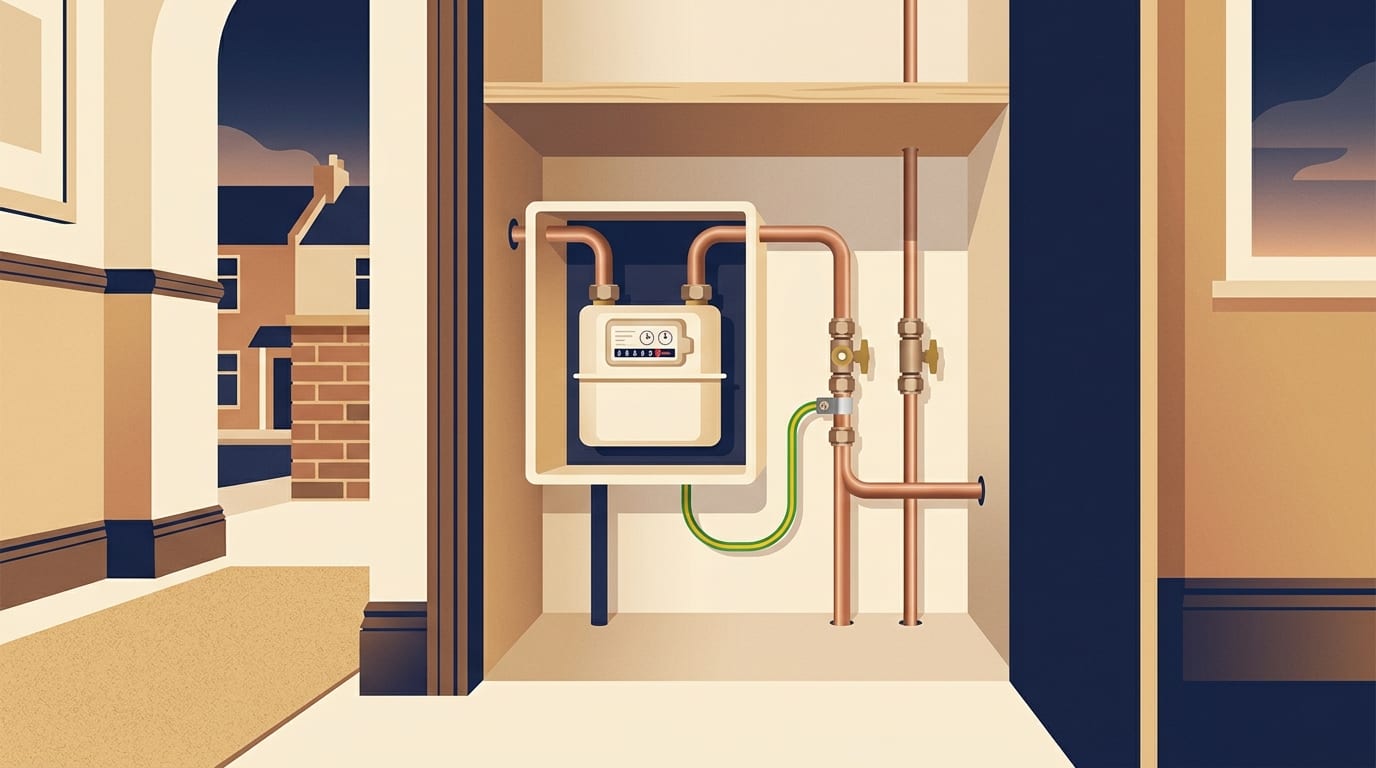
Earth Bonding Explained and What to Do if Yours Is Missing
What earthing and bonding do, why a gas engineer or an EICR may flag missing bonding, which bonding is genuinely needed, and who should fit it and what to ask.
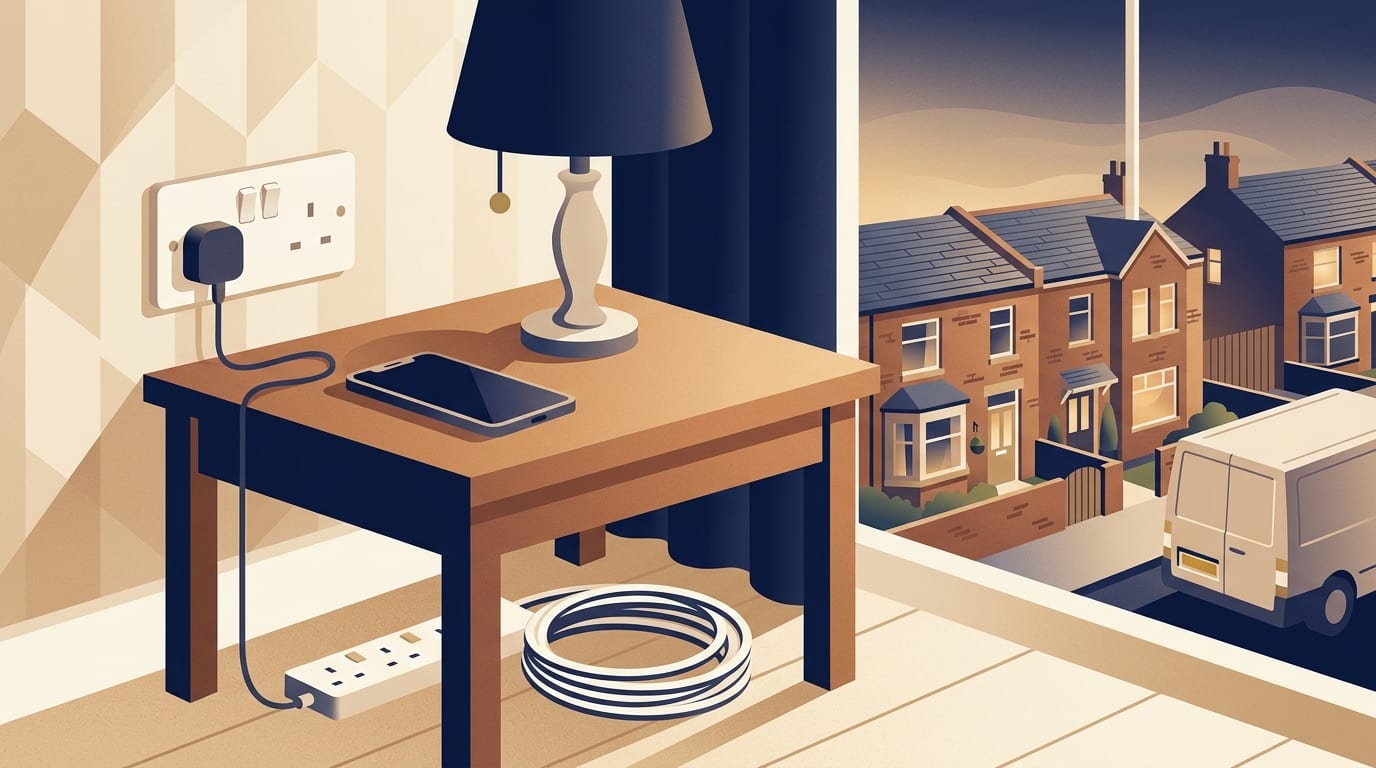
Plug Socket Not Working and When to Call an Electrician
Why a plug socket or a group of sockets stops working, the safe checks you can make first, the signs that mean stop using it now and what an electrician typically charges in 2026.