Your energy supplier fits an electrical smart meter for free, and you only need an electrician if the installer finds a problem with your own wiring that must be put right first. The installation usually takes around one hour for a single meter. If the installer spots a safety issue or very old equipment, they will pause the job and explain whether the repair falls to you, your energy company or your local network operator.
What an electrical smart meter fit involves
Getting a new meter is a straightforward process arranged entirely by your energy provider. On the day, the installer will arrive and briefly turn off your power supply so they can work safely. They remove your old traditional meter and connect the new digital one in its place.
It typically takes around one hour for each smart meter installation. If you are having both gas and electricity meters replaced during the same visit, these dual fuel installs take about two hours. Check with your supplier what it needs from you on the day.
You can Contact your supplier to get a smart meter for free. The information in this guide applies to Great Britain, as Northern Ireland operates under a different system for energy and building standards.
What the installer checks before starting
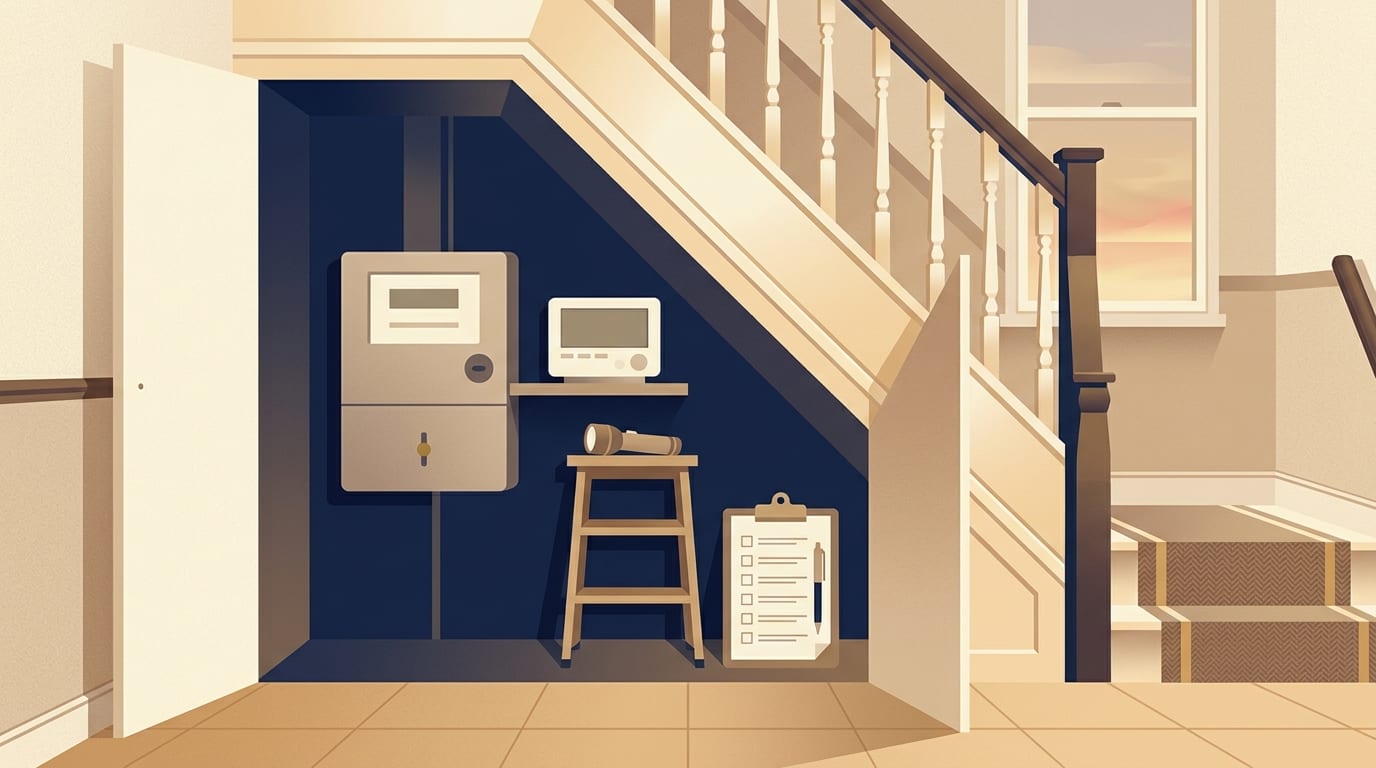
Before the installer touches the old meter, they will carry out a visual safety check of the equipment in your meter cupboard. They are looking to make sure the incoming supply and your own wiring are safe enough to handle the changeover. Electricity is dangerous, and installers are trained to spot signs of damage or wear that could cause a fire or an electric shock.
Engineers sometimes spot defective wiring, equipment that is very old, blown fuses or faulty boilers. Between early 2017 and July 2024, engineers identified more than 2.5 million safety problems in homes across the country.
If the installer finds a fault, they cannot ignore it. Some problems might mean it is not appropriate to install the smart meter at all until the issue is fixed. The installer will explain what work is needed and who must do it, whether that is you, your energy company or your network operator.
When a fit cannot go ahead
Sometimes the installer will arrive but decide they cannot complete the job on the day. This is usually because they cannot reach the equipment safely, or because the setup in your home is too complex for a standard visit. If they cannot go ahead, the installer will explain what work is needed and who must do it.
- Inaccessible meters, such as those behind a locked door, can block the work.
- Meters that are far apart from each other can complicate an installation.
- Multi-rate meters can complicate an installation.
- Poor mobile signal in your area can complicate an installation.
- Solar panels can complicate an installation, so tell your supplier if you have them.
- Defective wiring or a dangerous consumer unit will force the installer to pause the job for safety reasons.
Who owns what at the meter position
When a problem is found, the person responsible for fixing it depends entirely on who owns that specific piece of equipment. Your local network operator owns the service cable coming in from the street, the earth terminal beside it, and the cut-out. The cut-out is the sealed main fuse.
The meter in between belongs to your supplier. Everything downstream of the meter is yours. This includes your consumer unit, which is also called a fuse box or fuse board, and all the circuits running through your walls. Who owns or pays for the meter tails, which are the short cables connecting the meter to your consumer unit, is not covered here. Ask your supplier to explain in writing what blocks the fit and who is responsible for replacing those specific cables.
This table compares the different parts of the setup and shows who is usually responsible for them.
|
Part |
Usually owned by |
Who to contact |
|---|---|---|
|
Service cable |
Network operator |
Call 105 |
|
Cut-out |
Network operator |
Call 105 |
|
Meter |
Energy supplier |
Your energy supplier |
|
Consumer unit |
You |
A local electrician |
|
Wiring in the home |
You |
A local electrician |
The table above shows ownership of the electrical supply equipment. If you need private electrical work, ask for a written quote.
When you need an electrician
You only need to hire a private electrician if the installer finds a fault with the equipment you own. The installer will explain what needs to be put right. TopRatedElectricians.co.uk lists local electricians to help you find someone, but we do not employ, vet, certify or guarantee anyone.
If your wiring is very old, an electrician might suggest an Electrical Installation Condition Report. An EICR is a deep testing process that finds hidden faults across all your circuits. Fault finding is usually charged by the hour, often with a call-out fee or a minimum charge that covers the first hour of investigation.
If the problem is with your consumer unit, the electrician may quote for a replacement, and the consumer unit replacement cost guide explains what affects the price. Modern units have a circuit breaker for each circuit, plus RCD protection.
Rules and paperwork for electrical work
The national wiring standard is BS 7671, also called the Wiring Regulations. In England and Wales, electrical work in homes is also covered by Part P of the Building Regulations. If you hire someone to replace your consumer unit or install new circuits, the work is notifiable and building control must be informed.
Electricians who are registered with a government-authorised competent person scheme, such as NICEIC or NAPIT, can self-certify their own notifiable work. This saves you from having to pay your local council to inspect the job. You can read our guide on how to check an electrician is registered before you hire them.
When the job is finished, you should receive an Electrical Installation Certificate for new work, or a Minor Works Certificate for small additions. For notifiable work, you should also receive a Building Regulations compliance certificate. You should keep both documents safe, as you will need them when you sell the property.
Landlords have strict legal duties to have their electrical installations inspected and tested at least every five years, and face substantial financial penalties in England if they ignore this. For owner-occupiers, a periodic inspection is a recommendation for safety rather than a legal duty.
What a good quote looks like
If you need remedial work before the smart meter can be fitted, you should ask a few local electricians to price the job. A quote is a fixed price that cannot change unless you agree to extra work. An estimate is only a rough guess and the final bill can change.
- A proper quote is provided in writing and clearly describes the exact work to be done.
- It states whether VAT is included in the final figure or added on top.
- It includes all the necessary materials, cables and safety devices.
- It confirms that the price covers the final testing and the issue of your electrical certificate.
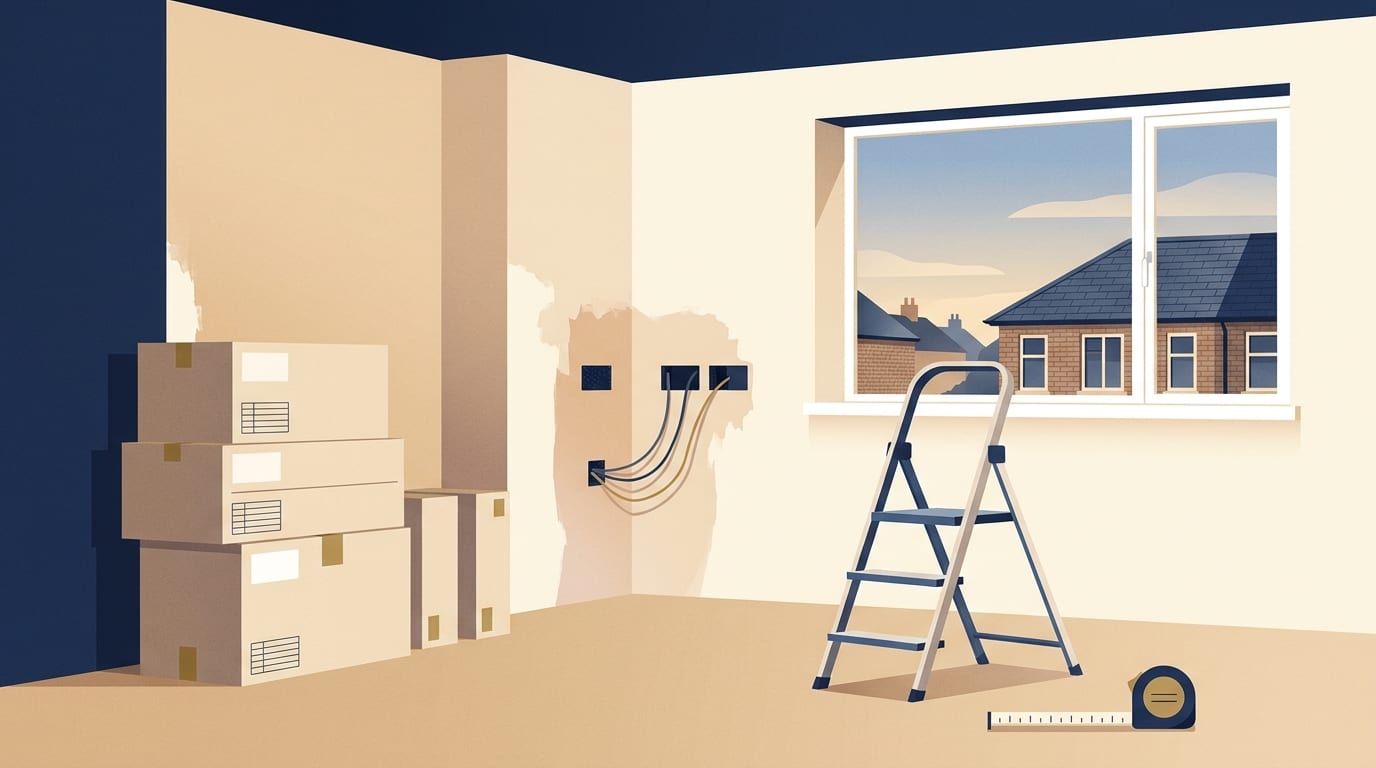
- It explains whether making good is included, which means patching up plaster and decoration around the new equipment.
Under the Consumer Rights Act 2015, any service you pay for must be carried out with reasonable care and skill. If the work is poor, you can ask the tradesperson to put it right at no extra cost. Services arranged at home, by phone or online usually carry a 14-day cooling-off period, allowing you to change your mind and cancel. This protection does not automatically apply to urgent repairs you have specifically asked them to carry out immediately.
Compensation if the appointment fails
The regulator Ofgem set tougher smart meter standards that took effect on 23 February 2026. Under these new rules, customers will automatically receive a £40 payment if their supplier lets them down.
You could be owed this compensation if you waited more than six weeks for an appointment, or if the appointment failed due to a fault within your supplier's control. You are also entitled to the payment if you report a problem with your meter but the supplier does not provide a resolution plan within five working days. The payment should be processed automatically without you having to ask for it.
Ofgem plans to review the standards in early 2027 to see if they are working as intended.
Getting ready for the visit
You can help the installation go smoothly by preparing your home before the engineer arrives.
- Clear access to the meter cupboard by moving coats, shoes, bicycles or stored boxes out of the way.
- Make sure you have the key if the meter is located behind a locked door in a shared hallway or porch.
- Get access to the main electricity fuse switch so the engineer can turn the power off easily.
- Tell your supplier in advance if you have solar panels fitted to your roof.
- Let the supplier know if your gas meter and electricity meter are located far apart from each other.
If you are told to fix something first
If the installer pauses the job, you should ask them to write down exactly what the problem is. Do not accept a vague verbal explanation. Ask them to confirm in writing what is blocking the fit, what needs to be repaired, and who is responsible for paying for it.
Never attempt to fix electrical problems yourself. The only safe user action is to stay away from damaged equipment and call the right number. You must never touch the cut-out, the meter or the thick cables connecting them, and the seals on the cut-out are not the householder's to break.
Call 105 to report a fault with the supply, which is free and routes to your local network operator. Call 999 if anything is sparking or a wire is down, if a fire starts or if someone receives a serious electric shock.
Common questions
Who is responsible for fixing an electrical meter box?
The service cable and cut-out are usually owned by the network operator and the meter by your supplier. Never try to repair them yourself, and call 105 to report a fault with the supply.
What happens if my wiring is too old for a smart meter?
If the installer finds a problem with your wiring, it may not be appropriate to fit the meter at all until it is put right. The installer will explain what work is needed and who must do it. Once any remedial work is finished and certified, ask your energy supplier about rebooking.
Can I refuse a smart meter installation?
Ask your supplier about your options. If the installer finds a fault, the fit may be paused until it is put right.
Who do I call if my power goes off during the fit?
The installer will turn your power off intentionally for about an hour while they swap the meters over. If the power does not come back on after they finish, or if it trips repeatedly after they leave, you should contact the energy supplier who carried out the work. If you suspect a wider power cut in your street, call 105.
Do I pay for the smart meter if I rent my home?
Ofgem says to contact your supplier to get a smart meter for free. If you rent, check with your landlord before you book.
Next steps
If your smart meter installation has been paused because of a wiring fault, you need to gather the right information before you hire anyone to fix it.
- Ask the installer or your energy supplier for a written summary of the exact fault blocking the installation.
- Check whether the faulty part belongs to you or your network operator.
- If the fault is in your own consumer unit or wiring, ask three registered electricians to look at the written summary.
- Ask them for fixed quotes that include materials, VAT, certification and making good.
- Check their registration on the NICEIC or NAPIT websites before you agree to the work.
When you have your written explanation from the supplier and are ready to get quotes, you can use our directory to find an electrician near you to inspect the problem and price the repair.
Find a top rated electrician near you
4,987 electricians across the UK, each ranked on their Google rating and the number of reviews behind it. Start with your county: